How to Delete Old iPhone Backups on Windows (Safely)



Your C: drive is gasping, and the biggest folder on it turns out to be years of iPhone backups you forgot existed. Good news, it’s reclaimable space. Better news, this guide shows you how to delete iPhone backups without the mistake that turns a cleanup into a loss, because one of those folders could be the last copy of a phone you no longer own.
Summary
To delete iPhone backups on Windows, use Edit then Preferences then Devices in iTunes, or Manage Backups in the Apple Devices app, and remove the ones you no longer need. Preview each backup’s contents first, since old device folders regularly hold the only surviving copy of photos and messages.
| Route | Use It When |
|---|---|
| iTunes or Apple Devices app | The backup appears in the app’s list |
| Manual folder deletion | Orphaned backups the apps no longer show |
| Archive to another drive, then delete | The backup matters but C: space doesn’t allow it |
| Preview first, then decide | Any backup from a device you no longer have |
Table of Contents
How Much Space Are Your iPhone Backups Eating?
Open the backup location using our guide on where iPhone backups are stored on Windows, checking both possible folders. Inside, each device you’ve ever backed up owns a folder named with a long string of characters.
Right click each folder and pick Properties. A single modern iPhone backup commonly crosses 20GB, and a family PC that’s hosted three phones over five years can quietly hold 100GB of snapshots. Note the sizes and the modified dates. Together they tell you which folder belongs to a living phone and which belongs to history.
Check What’s Inside Before You Delete Anything
This is the step that separates a cleanup from a tragedy. A folder with a modified date from three years ago is one of two things. Dead weight from a phone whose data lives elsewhere, or the last copy in existence of a phone that’s gone. From the outside they look identical.
iData Backup Viewer settles it in minutes on Windows 10 and 11, free. It shows which device each backup belongs to and previews the messages, photos and contacts inside, as covered in our complete guide to what’s inside an iPhone backup.
- Install and launch iData Backup Viewer. Every backup in both Windows locations appears with its device name.
- Open each old backup, entering its password if encrypted.
- Skim the photos and messages. Anything you’d mourn losing means the folder gets archived, not deleted.
- Export the irreplaceable items, or copy the whole folder to another drive, before that backup goes anywhere.
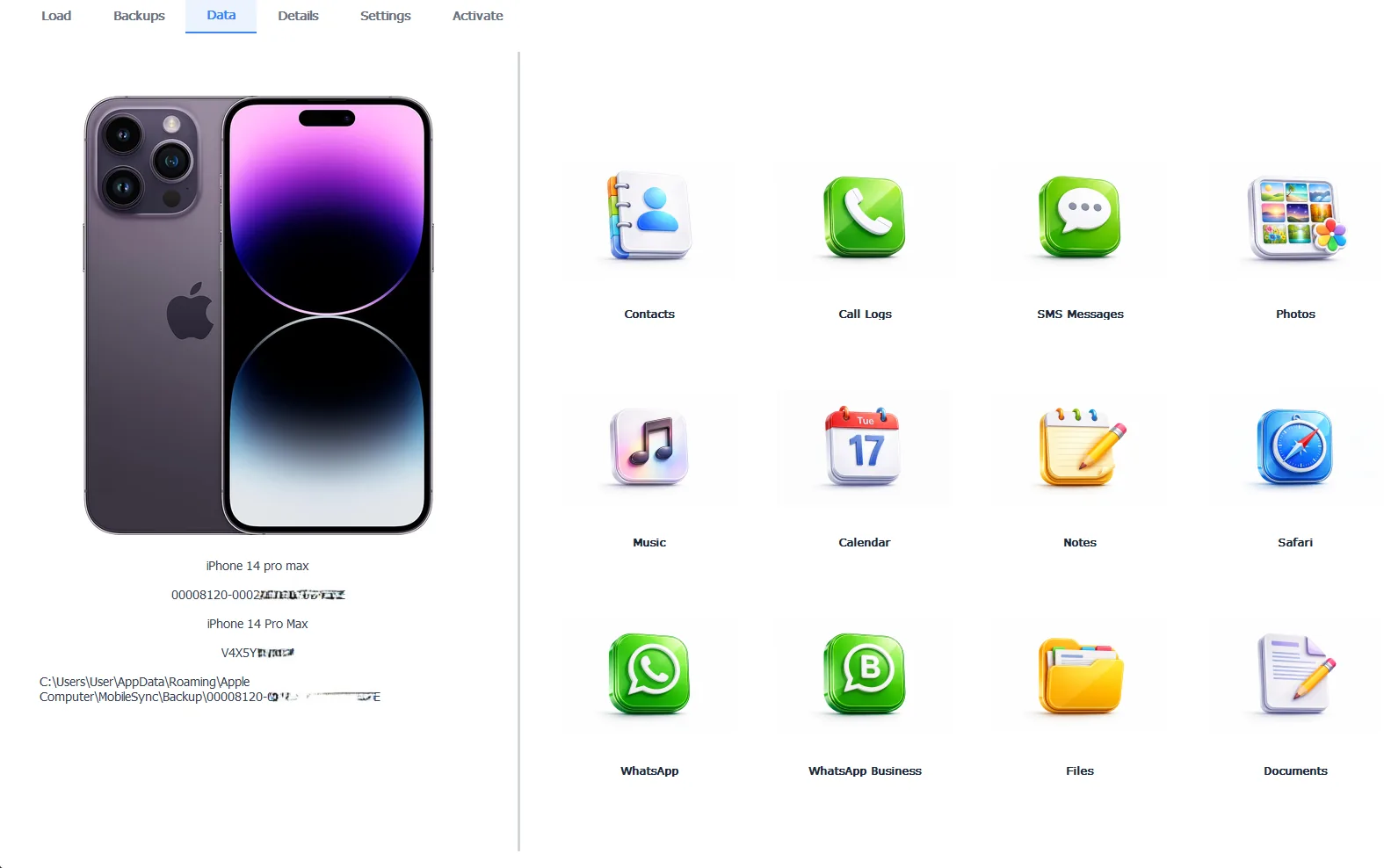
Step 3: iData Backup Viewer previewing an old backup before the space cleanup
The preview is free forever, and the Pro edition at $49 per year unlocks exports for anything worth saving. Everything runs 100% locally on your PC.
Free version previews your backup contents. Works on Windows 10 and 11.
“Every month someone deletes a 30GB folder to free up space and realizes it held the last copy of a phone that died two years ago. Ten minutes with a free preview would have shown them what they were holding. Look inside before you let go. Disk space comes back. That snapshot never does.”
Viralkumar Patel in | iData Backup Viewer Team, CYBERSICS SOLUTIONS
How Do You Delete iPhone Backups the Official Way?
The apps that made the backups also remove them cleanly, and Apple covers both in its guide to locating and managing backups.
In iTunes on Windows
- Open iTunes, then Edit, then Preferences.
- Open the Devices tab. Every backup iTunes knows about appears with its device name and date.
- Select the backup to remove and click Delete Backup, then confirm.
In the Apple Devices app on Windows 11
- Connect your iPhone and select it in the app.
- Under Backups, choose Manage Backups.
- Pick the backup and delete it from the list.
Deletions through the apps skip the Recycle Bin, so the space returns instantly and the decision is final. Which is exactly why the preview step comes first.
How Do You Delete a Backup Manually?
Backups from uninstalled apps or long gone iTunes versions sometimes vanish from the lists while their folders live on. Those you remove by hand. Open the backup location, confirm which device folder you’re holding with the preview from earlier, and delete the entire folder to the Recycle Bin.
Whole folders only, never the files inside
Deleting individual files inside a device folder to save partial space breaks the backup against its index and can make it fail a future restore. A backup lives or dies as one complete folder.
Which Backups Should You Keep?
Keep your current phone’s latest backup, always. It’s your recovery route for loss, damage and failed updates, and our guide on backing up an iPhone to a computer covers keeping it healthy.
Keep anything flagged corrupt until its data is out. The label means a failed check rather than destroyed files, as our guide on the corrupt or not compatible error explains. Extract first, delete after.
Decide old devices case by case. A backup of a phone you sold after moving everything to the new one is dead weight. A backup of a phone that died with unsaved photos is a family archive. The preview tells you which one you’re looking at.
How Do You Keep Backups from Bloating Again?
Three habits keep C: breathing. Review the backup folder twice a year with the same Properties check from the start of this guide. Archive snapshots that matter to an external drive instead of letting them squat on C:. And for chronic space pressure, redirect the whole backup location to a bigger drive with the folder junction method covered in our storage guide, so future backups land elsewhere from day one.
So the cleanup runs in one safe order. Measure the folders, preview anything from a device you no longer hold, archive or export the irreplaceable, then delete with a clear conscience through the app or the folder. The gigabytes come back without a single regret attached.
How many phones’ worth of history is your C: drive quietly carrying right now?
Frequently Asked Questions
Is it safe to delete iPhone backups?
Yes, once you’ve confirmed the data lives somewhere else. The risk isn’t the deleting, it’s deleting the only copy of something. A two minute preview of the backup’s contents settles the question before the folder goes.
Which folder belongs to which iPhone?
The iTunes and Apple Devices backup lists show device names with dates, which covers backups those apps can see. For folders they can’t identify, a backup viewer reads each one and shows the device name and contents directly.
Can I delete some files inside a backup folder to save space?
No. A backup works as a complete set, verified against its index during restore. Removing individual files breaks the whole thing. Space decisions happen at the level of entire device folders, never their contents.
Will deleting old backups affect my iPhone?
Not at all. Backups are copies sitting on your PC, and removing them changes nothing on the phone. Your next backup also runs exactly as before.
I deleted a backup by mistake. Can I get it back?
Check the Recycle Bin first, since a manually deleted folder sits there until emptied. Deletions made through iTunes skip the bin. When the phone still works, a fresh backup rebuilds your safety net in minutes.
Should I delete the backup that iTunes calls corrupt?
Extract your data from it first. The corrupt label means a failed check, not destroyed files, and the contents open in a viewer in many cases. Delete it only after the data is safely out or confirmed unreadable.
Written by Viralkumar Patel in
Viralkumar works on iData Backup Viewer at CYBERSICS SOLUTIONS, where he helps Windows users read, recover and export data from iPhone backups.